
The Galaxy S6 leaves much of its
Galaxy S5 DNA behind. Perhaps even more shocking than this materials about-face are the decisions to
seal in the battery and leave out a microSD card slot, both choices made in service to staying slim. These are
commonplace omissions in the smartphone sphere, but Samsung has been a die-hard defendant of both the removable battery and the extra storage option, until now. It's a move that makes a difference, too, at least on the power front. The S6's ticker ran down faster than last year's S5 did on a single charge.

In many ways, Samsung had no choice but to adopt this svelte, metal chassis and a pared-down, less "bloated" variation of
Android 5.0 Lollipop. These moves silence customer complaints about the Galaxy S5's (and S4 and S3's)
plasticky build, while also girding Samsung against staggering
iPhone profits and an army of decent low-cost rivals from Lenovo, Xiaomi and Huawei.
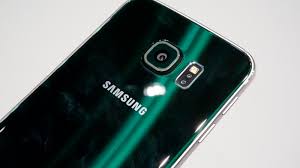
Luckily for Samsung, the S6 is good enough to win back straying fans while also surpassing the all-metal
HTC One M9 in extra features, battery life and
camera quality.
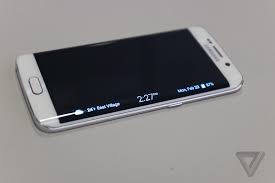
A central, metal-ringed home button joins two capacitive keys for calling up recent apps and paging back. A terrific new feature lets you double-tap the home button to launch the camera at any time, even when the phone is locked (though that takes a little longer). Samsung has also improved the fingerprint scanner, which you can use to securely unlock the phone; instead of dragging your digit down across a sensor, you now just rest it on the home button. It's fast and reliable on the whole.
On the back, you'll find the 16-megapixel camera (same as the Note 4), and a sensor array that includes the camera's LED flash and heart-rate monitor. Up top, the IR blaster beams out infrared for folks who want to use their phones as a TV remote.
A few niggly negatives: the camera protrudes a bit from the back, which some may not like, and the phone's glass surfaces become a smudge gallery for your finest fingerprints. And unlike the S5, the S6 isn't waterproof.
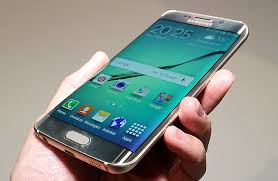
Although the colors are fairly staid -- both models comes in platinum gold in addition to sapphire black and white pearl -- Samsung injects shots of color into the lineup with topaz blue, which is really pretty if it catches the light, and just looks black or generically dark if it doesn't. (The S6 Edge, meanwhile, tries on emerald green.)
Softer software
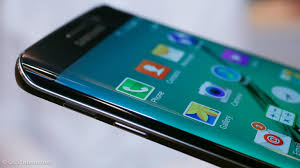
For years, customers have bemoaned the thick, heavy TouchWiz interface that Samsung uses as its custom layer over Android. No longer. Samsung's take on
Android 5.0 Lollipop scales back its own additions and leans heavily on
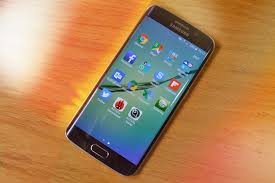 Google's Material design. Samsung succeeds in embracing a simpler layout without shedding all the software it's built over the years, though Android deserves much of that credit for providing the framework.


 6:13 AM
 Admin
Admin


 Posted in:


0 comments:
Post a Comment